
Now Reading: EPC light warning: Causes and quick fixes
-
01
EPC light warning: Causes and quick fixes

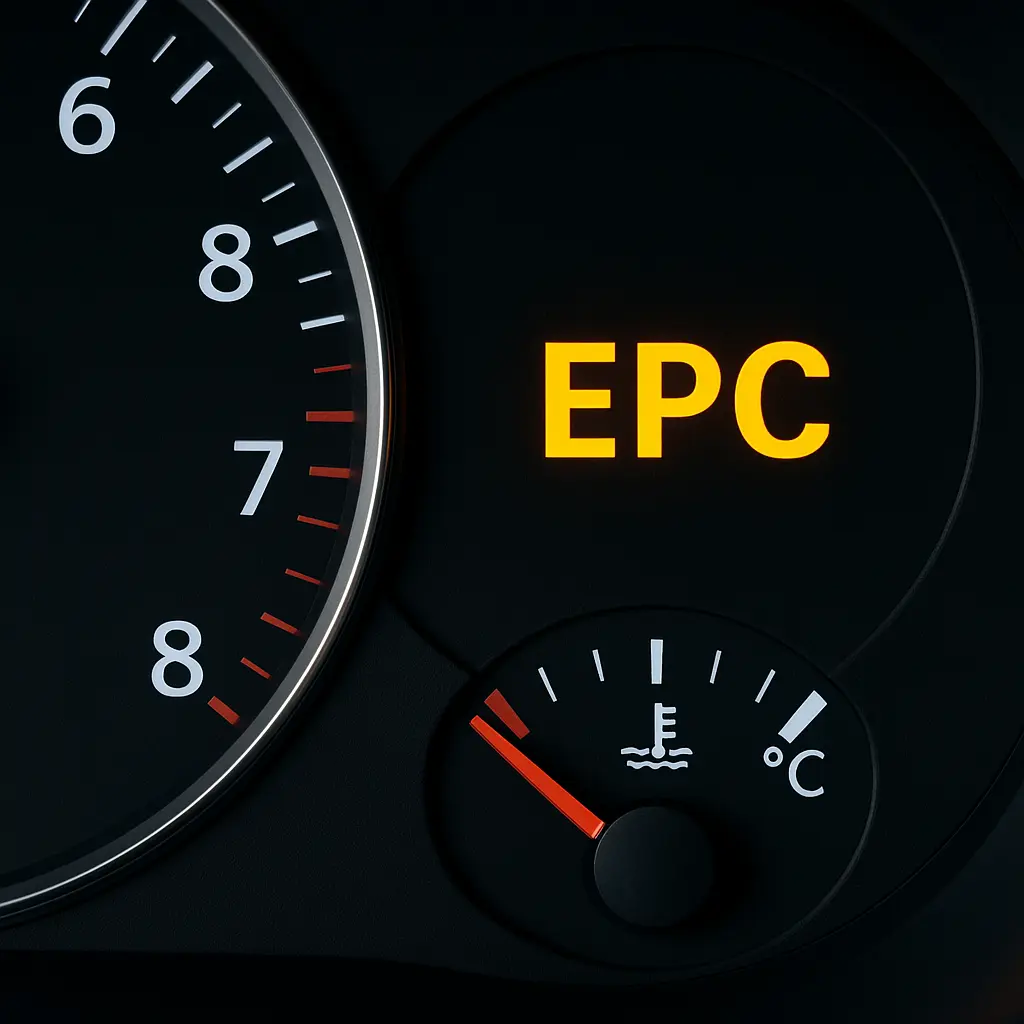
It can be disconcerting to see the EPC light illuminate on your car’s dashboard, especially if you don’t know what it means. The EPC alert, which stands for Electronic Power Control, is a message from your car’s internal monitoring system that something is wrong with the electronic engine or throttle systems.
The EPC light is prevalent in modern cars, especially European ones like Volkswagen, Audi and Skoda. But Australian drivers shouldn’t ignore it. This article talks about what the EPC light signifies, why it comes on and what to do if it happens while you’re driving in Australia.
What is the EPC light?
The EPC (Electronic Power Control) system controls your car’s throttle and other important electronic systems, like cruise control, engine control, traction control and stability control. The EPC light shows that the computer in the car has found a problem with one of these systems.
If you don’t fix the problem, the EPC light could potentially impair performance or safety. Your car may still drive normally at first. If you live in Australia and have to travel a lot for work or pleasure, it’s best to see the EPC light as a warning to act swiftly before small problems become big ones.
Common causes of the EPC light
There are several reasons why the EPC light might come on. Here are the most typical reasons that modern cars break down:
1. Faulty throttle body or throttle position sensor
These parts control how your car speeds up. If something goes wrong here, the EPC light may come on and the power may drop or the throttle may not respond as quickly.
2. Brake light switch issues
A malfunctioning brake light switch can create an EPC failure in many cars, especially Volkswagens. This happens because the switch is connected to other electrical systems, such as cruise control and traction management.
3. Problems with the engine control unit (ECU)
The ECU is like the brain of your car. It will turn on the EPC light if it gets strange signals from sensors or parts to save the system from getting worse.
4. Sensor or wiring faults
Damaged wiring, a broken mass airflow sensor (MAF), or an accelerator pedal sensor can also cause the EPC light to come on. For fuel management and throttle accuracy, these sensors are crucial.
5. Weak battery or charging system
The EPC system can stop working if the voltage is too low or the alternator is weak, which can affect how well electronic parts work.
The EPC is linked to several subsystems, so the problem might be anything from a simple sensor issue to a more complicated engine control issue.
What happens when the EPC light turns on
When the EPC warning light comes on, you might see some of the following:
- Limited power or speed in the engine
- Less responsive throttle
- Rough idling or acceleration that jerks
- The car enters “limp mode”, slowing down to prevent injury
- Other warning lights, including the check engine light, may also illuminate simultaneously.
If you’re driving in Australia, especially if you’re going a long way between towns, and you see these signs, it’s best to slow down, avoid hard acceleration, and arrange to stop at the nearest service centre or mechanic.
Is it safe to drive with the EPC light on?
When the EPC light comes on, your car’s behaviour will tell you if it’s safe to drive.
- If the automobile still drives normally, you can go a short distance, but you should schedule an appointment for a diagnostic check as soon as feasible.
- If the engine stops working or loses power, it’s advisable to pull over safely and phone for help. Driving on could make the problem worse or hurt parts of the engine.
The EPC light is not just a random warning; it means there is a problem. If you don’t pay attention, you could be stuck on Australia’s wide-open highways with no way to get help.
What to do when the EPC light comes on?
Follow these steps when you notice the EPC light:
- Stay calm: The EPC light doesn’t necessarily imply you’re in danger right away.
- Observe how your car behaves: If it runs well, drive carefully to a mechanic nearby.
- Avoid high speeds and heavy acceleration: Keep the load light and don’t put too much stress on the engine.
- Check for other warning lights: If the check engine light or ABS light comes on, it could mean that there are more than one problem.
- Visit a certified mechanic or dealership: They can use a diagnostic instrument to read the error codes and figure out what’s wrong.
- Avoid resetting the light yourself: Simply deleting the warning without resolving the problem will make it come back later.
Repair and maintenance costs in Australia
Depending on the source, fixing an EPC light problem can be easy or challenging. In general, Australian drivers can expect:
- Basic diagnostic check: $60 to $120 at most local shops
- Cost of replacing the brake light switch: $100 to $200
- Throttle body or sensor replacement: between $400–$900
- ECU or wiring repairs: from $800 upwards depending on the make and model
Volkswagen, Audi and Skoda cars from Europe often cost more to fix because they need special diagnostic tools. Regular maintenance and high-quality parts are important to keep costs down.
Preventing the EPC light from turning on
You can’t stop all problems from happening but you can lower the risk by taking good care of your car.
- Follow the timetable for service that your manufacturer gives you.
- Check the battery and charging system on a regular basis.
- During regular maintenance, clean the air intake and throttle body.
- Follow the advice and replace worn sensors and wire.
- Use quality fuel and stay away from cheap additives that could hurt sensors.
- If you have a European car, pick a mechanic who knows how to work on electronic throttle systems.
Preventive maintenance not only keeps your EPC light off, but it also makes your engine last longer and use less gas.
Conclusion
The EPC light on your automobile means that anything in its electronic or throttle systems needs to be fixed. It’s not something to fret about for Australian drivers but it’s also not something to disregard. If you drive a Volkswagen, Audi or any other new car, the best thing to do is stay calm, have a professional diagnostic check and then make the repairs that need to be made.
Keeping your car’s sensors, electrical systems and batteries in good shape can reduce the likelihood of seeing that light again. You may save money, avoid breakdowns and keep your car running smoothly on Australia’s roads and city streets if you act quickly.