

Now Reading: Best hip thrust alternatives for strong glutes
-
01
Best hip thrust alternatives for strong glutes

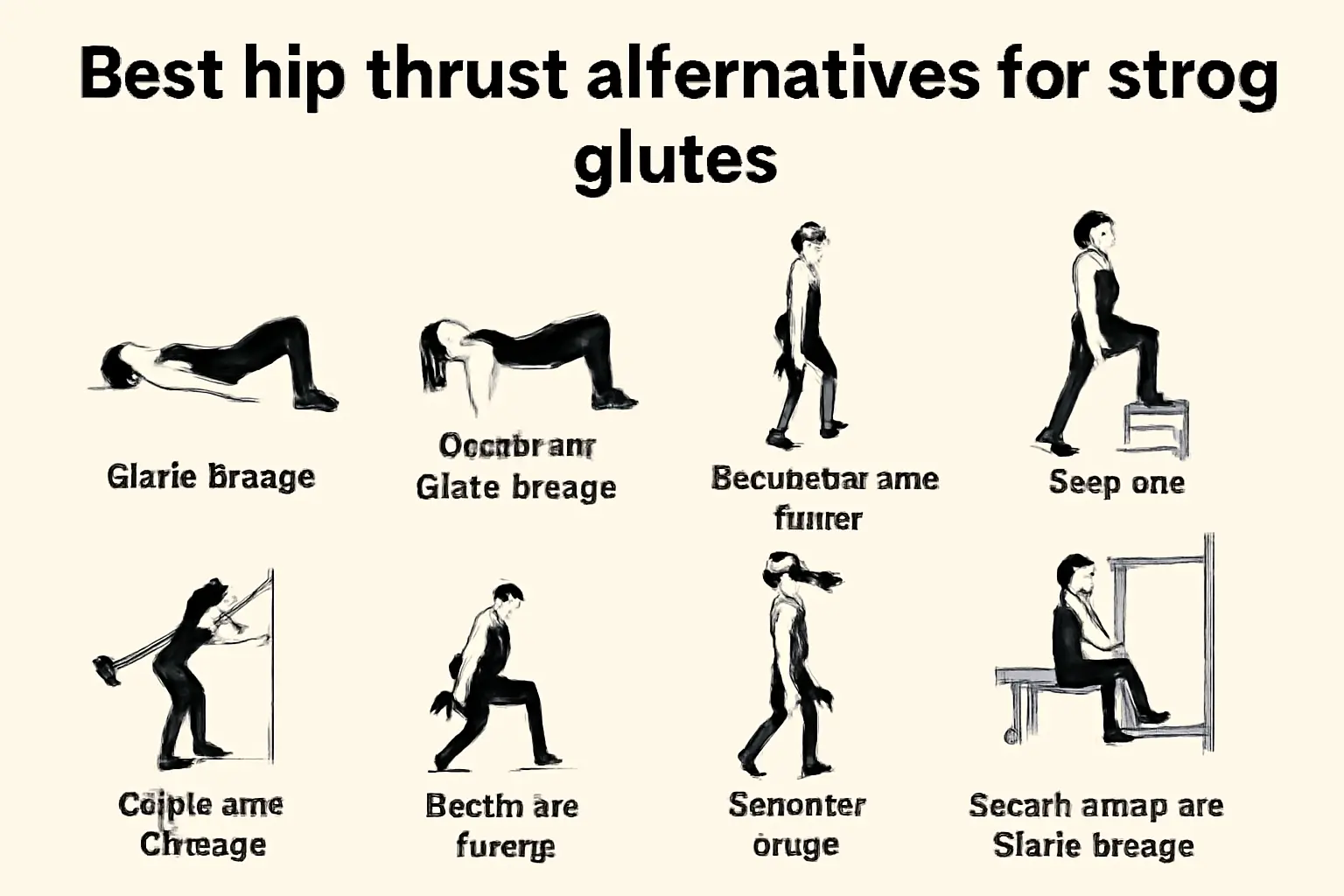
A lot of Australians desire to strengthen their glutes so they can stand up straighter, be stronger, and do better in sports. One of the most prominent ways to do this is with the hip thrust. Not everyone has the necessary equipment or feels comfortable doing it, though. The good news is that there are other exercises that may build strength and size equally as well as hip thrusts. They are also easier to master and better for your joints.
This article tells you about the greatest hip thrust alternatives, how they function and why they are good for people of all fitness levels.
What is the hip thrust and why it is so popular?
The barbell hip thrust is a popular glute-focused exercise where you rest your upper back on a bench, place a barbell across your hips and extend your hips up until your body forms a straight line from shoulders to knees. Coaches love it for many reasons, like:
- It heavily targets the gluteus maximus, the big muscle that shapes your bum and drives hip extension.
- It doesn’t tax the lower back as much as some heavy deadlift variations.
Do you actually need hip thrusts for glute growth?
So the short answer to this is no, you don’t need them. Research comparing training programs using only squats or only hip thrusts has found that both approaches can produce similar glute growth and strength outcomes.
Why you might want a hip thrust alternative
Common reasons why Aussie gyms look for hip thrust alternatives:
1. Equipment hassles
- No suitable bench on the bar
- No filer gym is packed, you can’t set up in the free weight area
2. Discomfort or pain
- Pressure on the hips or pelvic bones
- Lower back issue due to poor set-up or body structure
3. Awkwardness
- Some people feel uncomfortable and feel conscious doing hip thrusts in a busy gym
4. Programming variety
- You’re fed up with this hip thrust and want to try a new stir
- You already hammer hip extension with deadlifts or swings
What makes a good hip thrust alternative?
Not every leg exercise is a true hip thrust proxy. If you want to be a useful alternative, it should be load hip extension, progressive overload and be comfortable. That’s why the best and suitable alternatives are;
- Squats and deadlift
- Glute bridges and single-leg work
- Hinge-style movements
Best hip thrust alternatives for the gym
1. Barbell back squat: why its a great alternative
The barbell back squat is one of the most helpful replacements. It works your glutes properly when you squat to complete depth and push through your heels. When you sit through your hips back as you lower and press your glutes at the top, you mimic the strong hip extension that makes hip thrusts so effective. Squats also build full lower-body strength, which is great for general fitness and sports.
2. Romanian deadlift
The romanian deadlift is another amazing option because it focuses on the hip turn movement. You press your hips back, keep a small fold in your knees and then drive your hips forward to stand up. This places a deep stretch on the glutes and cripple and creates strong muscle tension through a large range of motion.
3. The trap bar deadlift
The trap bar deadlift is a very joint-gentle alternative, especially if you’re fed up with lower back discomfort. Standing inside the bar allows you to stay more upright while still loading your hips and glutes steadily. It’s a great option if you want to lift heavy while keeping the movement feeling smooth and natural.
4. The leg press machine
The leg press machine, when modified correctly, can also act as a hip thrust proxy. By putting your feet higher and a bit more spacious on the platform, you shift more of the load onto your glutes. This makes it a good choice if you want to train your glutes hard in a more controlled environment without worrying about balancing a barbell.
5. The cable pull through
The cable pull-through is one of the closest pattern matches to a hip thrust because the potential comes from behind you.You hinge forward and then push your hips forward against the cable, creating constant tension on the glutes. This is especially useful if you want to feel your glutes working throughout the total movement.
Conclusion
Hip thrusts are a good exercise but they’re not important for building strong, well-shaped glutes. Exercises like squats, Romanian deadlifts, trap bar deadlifts, leg presses and cable pull-throughs can provide the same or even better results when performed with good technique and constant effort. The most important thing is to pick movements that feel good for your body and let you safely add weight or reps over time. You can get great lower-body strength and shape in the gym without ever having to do hip thrusts if you train your glutes by doing appropriate hip extension and progressive overload.