
Now Reading: How to remove shellac at home: easy Aussie nail care
-
01
How to remove shellac at home: easy Aussie nail care

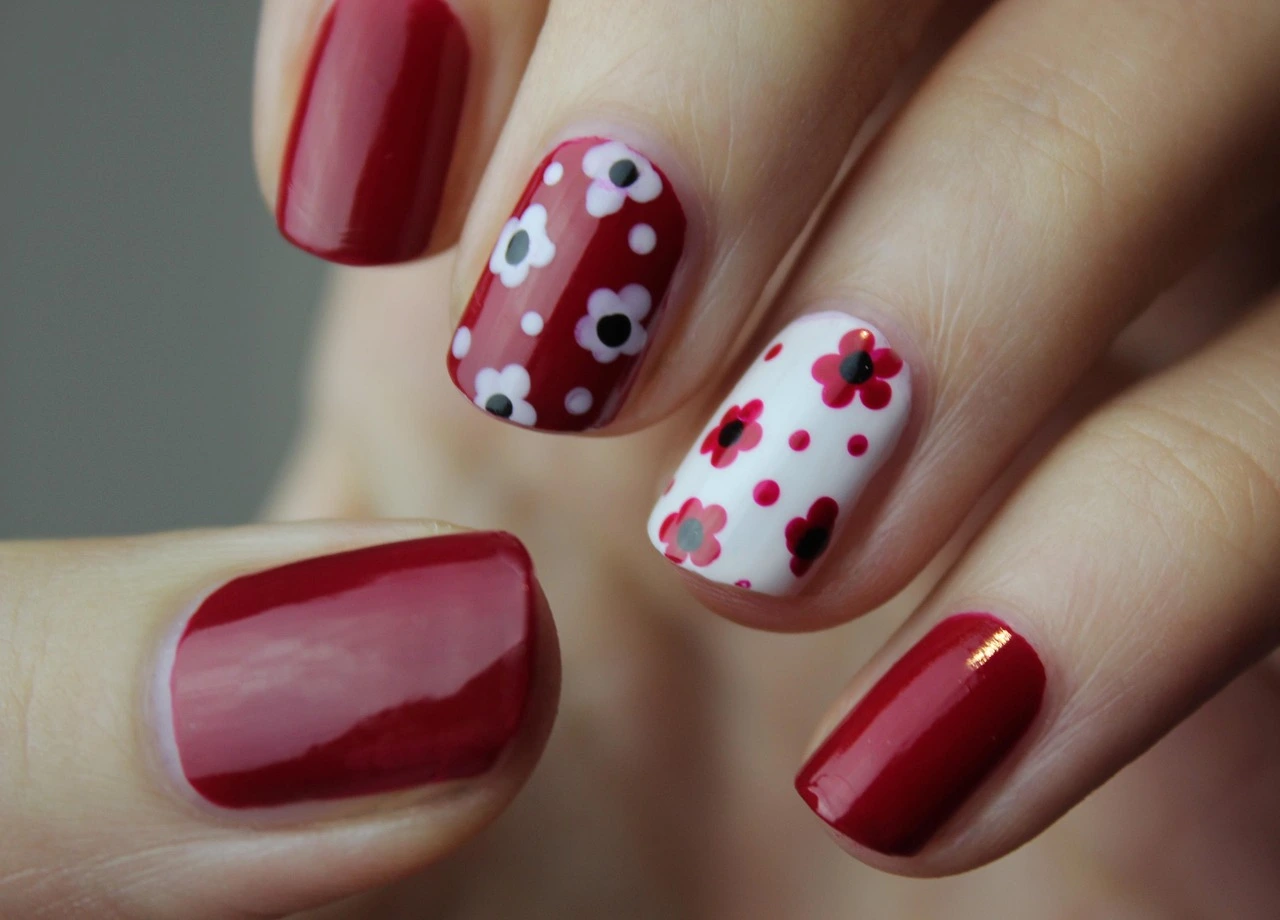
Shellac nails look shiny and strong but if you take them off the incorrect manner, they might hurt your natural nails. A lot of individuals look for ways to take off shellac at home because going to the salon can be pricey and take a long time. The good news is that you can safely remove shellac at home if you follow the right methods. Your nails can stay healthy and smooth if you have the correct equipment and are patient.
This article will show you exactly how to do it without harming your nails, using affordable tools you can find at home or your local pharmacy.
What is shellac?
Shellac is a gel polish, part varnish and part gel. It’s applied like normal polish but cured under a UV or LED lamp, which makes it glossy, durable and long-lasting. Some Aussies love it because it lasts up to two weeks without fading.
But when it’s time to say goodbye to your current colour, shellac doesn’t come off with standard nail polish remover. If you peel or pick at it, your nails will become weak and peel. That’s why it’s important to remove it correctly.
What you’ll need to remove shellac at home
You don’t need fancy salon tools to remove shellac. Only a few basics from around the house will do:
- Acetone (100% pure is best)
- Cotton pads or balls
- Aluminium foil
- Nail file or buffer
- Cuticle oil or olive oil
- A wooden cuticle stick or orange stick
- Hand cream or moisturiser
If you’re short on supplies, you can pick up a DIY nail removal kit from Australian retailers like fixed price, Kmart or The Reject Shop. They usually include an acetone loop and glue.
Step-by-step: How to remove shellac at home
Follow these simple steps for a safe, salon-style removal right from your kitchen table.
1. Buff the top layer
Start by lightly filing the shiny top coat of your shellac nails. This helps the acetone steep through the layers faster. Use a fine-grit nail file and don’t overload. You just want to dull the shine, not damage your fingernail.
2. Protect your skin
Before soaking your nails, put some cuticle oil or moisturiser over them to keep the acetone from drying them out. A little Vaseline works just as well.
3. Soak with acetone
Soak small cotton pads in acetone and place one on each nail. Wrap your fingertips in small squares of aluminium foil to keep them snug. Let them sit for about 10 to 15 minutes.
If you’d rather not use foil, you can use reusable soak-off clips or simply dip your fingertips into a small bowl of acetone, but keep it blunt to avoid over-drying your skin.
4. Remove the softened polish
Take off the wrapping from one nail at a time. The shellac should look like it has been lifted or broken. Use a wooden or plastic cuticle stick to gently push it off. If some parts are still stuck, wrap them up again and let them soak for a few more minutes. Don’t scrape or push it off.
5. Buff and clean up
Once the shellac is gone, lightly buff the nail surface to remove and smooth any uneven spots. Wipe your nails with a shiny, non-acetone cotton pad.
6. Rehydrate and repair
After acetone exposure, your nails and skin will be thirsty. Massage nail polish, then dab on a nourishing hand cream. Let your nails rest for a few days before applying a new shellac colour.
Common mistakes to avoid
Even seasoned nail lovers can mess this up if they rush. Here are a few things to avoid:
- Peeling or picking the polish can remove layers of your natural nail.
- Skipping the soak time, patience pays off.
- Using metal tools, they can clash the nail plate.
- Skipping hydration, acetone is harsh, so oil and cream are essential afterwards.
Pro tips from Aussie nail lovers
- Work in a breezy spot, where acetone fumes can be strong, so open a window or do it outdoors.
- Removing one hand at a time makes it easier to handle the wraps and tools.
- Warm up the acetone slightly by placing the bottle in warm water for a few minutes; never microwave.
- Use reusable wraps or clips, a sustainable choice that reduces waste.
How often should you remove shellac?
It’s best to change or remove shellac every two to three weeks. Leaving it too long can make it harder to remove and may dry out your nails. Giving your nails a break between manicures helps them stay strong and prevents discolouration.
If you’re constantly wearing shellac or gel, consider applying a strengthening base coat once a month or giving your nails a rest weekend, just a bit of TLC while you’re watching the footy or Netflix.
When to visit a salon
While home removal works for most people, head to a professional if:
- Your nails are slimy or damaged.
- You have acrylic overlays under the shellac.
- You’re unsure about acetone use or have sensitive skin.
Salons use professional-grade tools and buffers that make removal quicker and gentler, and sometimes, it’s just nice to treat yourself.
Conclusion
Removing shellac at home is easy once you know the right steps. With a bit of tolerance and due care, you can keep your nails looking strong and salon-fresh without ultimately ruining the house.
So next time your manicure starts to chip, skip the peel, take your acetone, foil and a cold drink and take care of your nails the Aussie way: resting, practical and just a little bit DIY.