
Now Reading: Jacqueline Durand: Dog attack case and recovery
-
01
Jacqueline Durand: Dog attack case and recovery

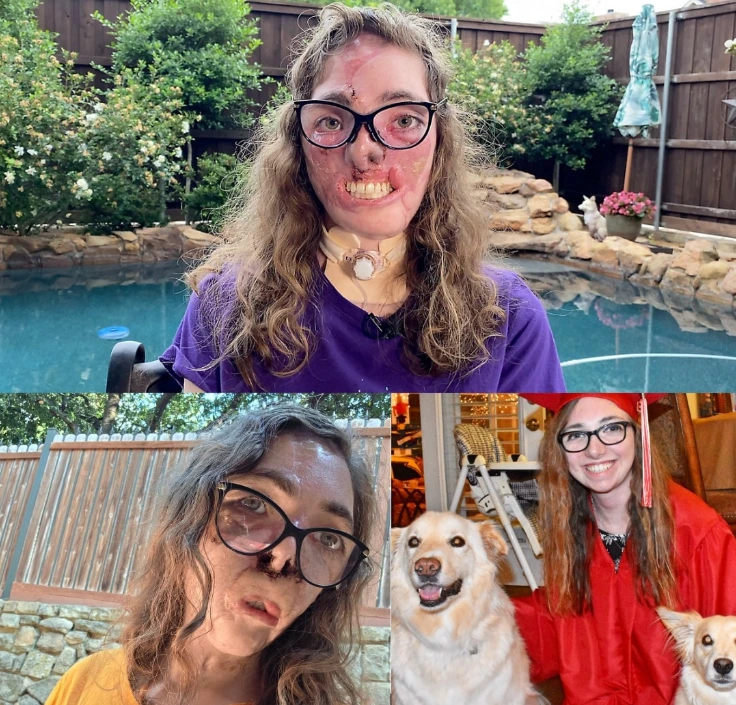
Jacqueline Durand’s name became known internationally after a brutal dog attack in Texas left the young university student with catastrophic injuries and a long road of reconstructive treatment ahead. Her experience sparked intense discussion about dog safety, pet-sitting risk, owner responsibility and how communities respond when a tragedy changes someone’s life in seconds.
This article explains who Jacqueline Durand is, what happened during the attack, what’s been publicly reported about her recovery and legal action and the broader lessons Australians often take from stories like hers, especially if you’re a dog owner, a pet-sitter or someone who uses pet-sitting services.
Who is Jacqueline Durand?
Jacqueline Durand was a University of Texas at Dallas student and an experienced dog-sitter. In interviews, she and her family described her long-standing love of animals and her work caring for dogs as something she genuinely enjoyed.
What happened to Jacqueline Durand?
Public reporting and court coverage say Durand was dog-sitting in Coppell, Texas, in late December 2021 when she was attacked by two dogs at the home. Multiple outlets reported that the incident happened one day before her 22nd birthday.
In interviews with CBS, Durand spoke about the aftermath and the ongoing medical work required to restore function, including intensive therapy and multiple surgeries.
The injuries and medical aftermath
Coverage of the lawsuit and interviews described severe facial injuries and a prolonged recovery process involving many reconstructive procedures, along with physical therapy aimed at restoring basic functions such as eating.
CBS reported she endured more than 800 bites and faced “countless surgeries,” underscoring how long-term and complex her rehabilitation would be.
The lawsuit and accountability questions
Durand filed a civil lawsuit against the dogs’ owners. Reporting around the case described allegations that the owners failed to adequately control or restrain the dogs and that the attack led to permanent, life-altering harm.
Some coverage noted the lawsuit sought damages exceeding $1 million and requested a jury trial . Because civil matters can evolve (settlements, amended claims, and confidentiality are common), it’s safest to treat the lawsuit details as time-stamped to what outlets reported at the time of filing and subsequent updates.
Why her story hit a nerve in Australia, too
Even though this happened in the US, Australians paid attention for a few reasons:
Pet-sitting is common here, too
From Sydney to the Sunshine Coast, plenty of people use pet-sitters via apps, local Facebook groups, or word of mouth, especially during school holidays. Durand’s case became a sobering reminder that familiar routines can still go wrong and that petsitting isn’t “risk-free,” even for experienced carers.
It raised practical questions about prevention
Stories like this tend to trigger very real “What would I do?” thinking, especially for:
- first-time pet-sitters
- People are adopting or fostering rescue dogs
- households with large/strong dogs
- families with kids
It forced a conversation about owner responsibility
Media coverage of the lawsuit kept the focus on a key theme: when someone is invited into your home to care for your pets, what duty of care do you have to prevent foreseeable harm?
Lessons Australians can take from this case
This isn’t about fearmongering; it’s about practical risk reduction.
For dog owners
1) Be honest about behaviour
If your dog is anxious, territorial, reactive, or unpredictable, tell the sitter plainly. Even “they’re usually fine” can be misleading if a dog has specific triggers.
2) Use secure separation and clear instructions
If a dog requires crating or separation during handover, please ensure this is clearly communicated in writing as a firm requirement.
3) Do a proper meet-and-greet
A calm, structured introduction matters, especially if the sitter enters the home alone later.
For pet-sitters and dog walkers
1) Treat the door entry as the highest-risk moment.
Many incidents occur during entry. Have a plan: barriers, calm voice, avoid rushing and don’t enter if anything feels off.
2) Ask “containment” questions upfront.
Examples:
- Where are the dogs when I arrive?
- What’s your exact entry routine?
3) Trust your instincts
If an owner downplays concerns or won’t implement basic safety steps, it’s okay to decline the booking.
Conclusion
Jacqueline Durand’s story is confronting, but it’s also a powerful reminder of how quickly ordinary work like pet-sitting can turn into a medical and legal marathon. For Australians reading about it from the other side of the world, the takeaways are clear: good communication, safe handovers and responsible containment protect everyone, owners, sitters and dogs alike.