
Now Reading: Alen Moradian: Rise, crime history and murder in Australia
-
01
Alen Moradian: Rise, crime history and murder in Australia

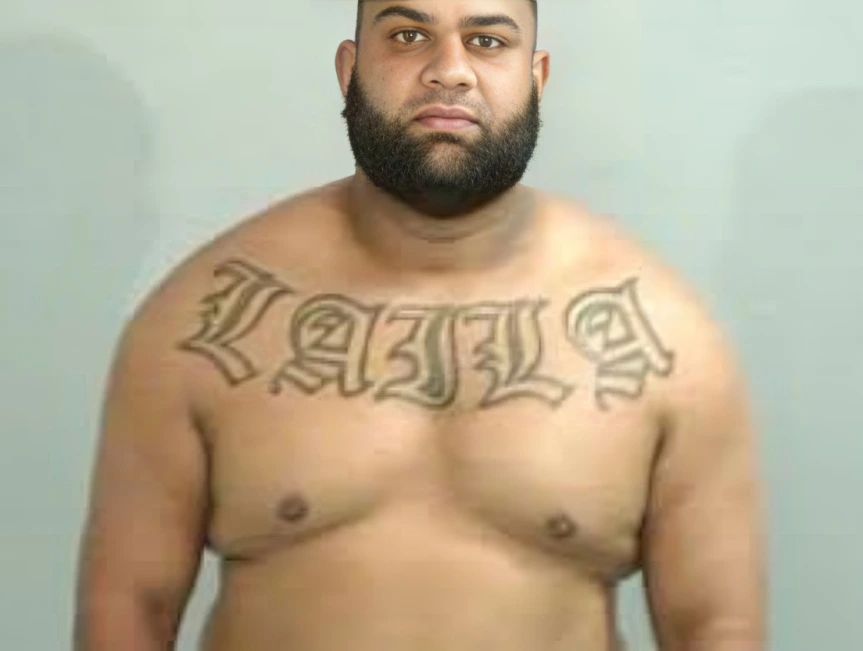
Alen Moradian is a well-known figure, but he is recognised as a criminal gangster. His life story reads like a real-world gangland drama. He was popular in discussions around financial crime and high-profile fraud cases. Moradian’s life and death have captured the public’s interest and also raised questions about organised crime, policing and safety in Australia. Here, we will discuss who Alen Moradian was, from drug importation and jail time to a brazen daylight execution in Sydney, his criminal history, details of his murder, how police responded and why the case has remained prominent in Australian news and public discourse.
Early years and criminal beginnings
Alen Moradian first came to public attention in the mid-2000s for his role in one of New South Wales’ most significant drug importation and supply cases. In 2011, Moradian pleaded guilty to importing between 40 and 60 kilogrammes of pure cocaine into Australia and was described in court as a senior figure in a major drug syndicate. The District Court sentenced him to a maximum of 16 years and nine months in prison, although he became eligible for parole in late 2017 after time served was factored in.
Nicknames and reputation
During his time as a criminal figure, Moradian earned street notoriety and nicknames such as “Fathead”, and in media reports, he was compared to organised crime figures reminiscent of the mafia world. He had associations with outlaw motorcycle groups and was considered powerful in parts of Sydney’s underworld. The police and media often linked him to broader organised crime networks, though much of that information was based on investigations and sources within law enforcement rather than formal convictions for gang leadership roles.
The murder: Bondi Junction shooting in 2023
According to Popular reported and, the most dramatic event in Moradian’s life was his murder in broad daylight. What actually happened:
- Date: Moradian was shot dead on 27 June 2023.
- Location: In the underground car park of a Bondi Junction apartment building, eastern Sydney.
- He was sitting in his luxury vehicle when multiple gunshots were fired at him.
- Police allege the killing was planned by several people and involved tracking and surveillance beforehand.
The murder was carried out in a crowded urban area, sparking shock and concern among locals in one of Sydney’s busiest commercial suburbs.
Investigation and arrests
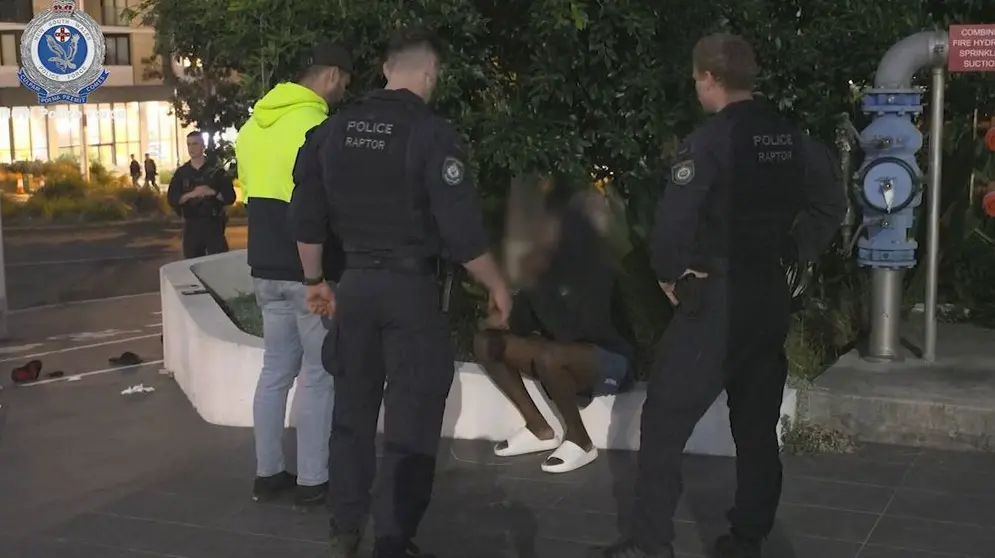
Following the shooting, New South Wales Police launched a major investigation into Moradian’s killing.
Police actions and charges
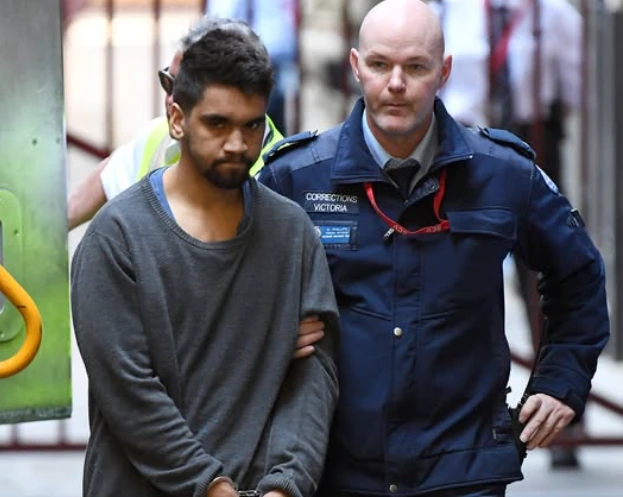
Several suspects have been charged with various murder and organised crime-related offences connected to the shooting. Among them was a man identified in court filings as the alleged plot mastermind and a man charged with pulling the trigger. Police initiated a search for the individuals suspected of being involved in the planning and execution of the killing. Several suspects are waiting for further legal proceedings related to the murder.
Public and law enforcement reactions
Moradian’s murder got national media coverage and prompted discussions about organised crime in Australia. This was gangland violence for Australians in public places. In this case, police faced many challenges in preventing planned attacks, including the sophistication of criminal networks and the importance of surveillance and intelligence in law enforcement. A debate started between legal experts and community commentators over how police use intelligence and when protective action should be taken versus investigative priorities.
How this case fits into broader organised crime trends
While Alen Moradian’s actions were his own, the case has contributed to broad conversations in Australia about corporate accountability and ethical leadership. Australia has seen a rise in organised crime activity in recent years. Reports believed that many Australians were involved in drug trafficking, gang conflicts and high-profile shootings. For honest people, entrepreneurs who believe in accountability can be frustrated when they hear about these cases. But they also reinforce the importance of strong regulation and compliance.
Conclusion
In Australia, there are many issues regarding accountability and trust. The case of Alen Moradian highlighted all these broader issues. It is a reminder for all Australians to stay informed, ask questions and approach financial opportunities with wariness. The lessons drawn by the case are valuable for investors, no matter whose name may be linked to controversy, business owners and anyone interested in how Australia’s legal system responds to financial crime.