

Now Reading: Greg Lynn: The architect who reshaped digital architecture
-
01
Greg Lynn: The architect who reshaped digital architecture

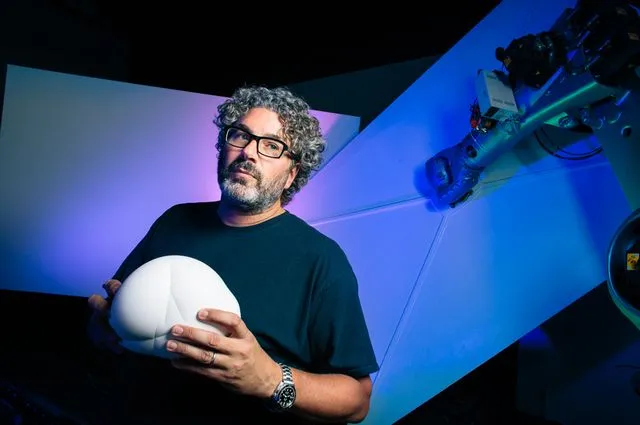
Few names have had as much long-term influence in the global world of architecture and design as Greg Lynn. Greg is popular for pioneering digital and computational design techniques. Lynn fundamentally changed how architects approach forms, structure and technology. Greg Lynn’s writings are for Australian readers, especially students, designers and architecture enthusiasts. This discussion will examine how his ideas have influenced current architectural education, shaped contemporary design studios and helped architecture adapt to the digital age, which is now common in many Australian architectural firms.
Who is Greg Lynn?
Greg Lynn is an American architect, designer and academic, born in 1964 in Ohio, the United States. He is widely recognised as one of the earliest architects to fully embrace computer-aided design and algorithmic modelling as creative tools rather than just drafting aids. Lynn studied architecture and philosophy at Miami University before completing his Master of Architecture at Princeton University, where he later also taught. If we look at his academic background, it has strongly shaped his theoretical approach to architecture, blending philosophy, mathematics and design. Furthermore, he is the founder and principal of Greg Lynn Form, a design studio that operates at the intersection of architecture, industrial design, digital fabrication and research.
The rise of digital architecture
Moving beyond traditional design methods
Greg Lynn experimented with advanced computational techniques in the 1990s, when many architects were still working primarily with hand drawings and static CAD software. To create fluid, continuous shapes inspired by motion, physics and biological processes, he used digital tools. This approach led to what became known as blob architecture, a term often associated with smooth, curving and organic structures created through computer modelling. Lynn explores curved and continuous surfaces, dynamic shapes influenced by movement and force and form-finding through computational methods rather than manual ones. These ideas challenged long-standing architectural agreements and opened new creative possibilities.
Greg Lynn’s design philosophy
Greg Lynn’s work is based on the belief that technology should be part of the creative process, not just a tool for documentation.
Key principles behind his work:
- Computation as creativity
- Biomorphic design
- Integration of design and fabrication
- Cross-disciplinary thinking
This philosophy has strongly influenced how architecture is taught and practised worldwide, including in Australia, where computational design is a core component of many university programmes.
Greg Lynn FORM: More than an architecture studio
Founded in the mid-1990s, Greg Lynn FORM is not a conventional architecture firm. While it produces architectural work, it also focuses heavily on research, experimentation and product design.
Areas of work include:
- Architectural design and speculative projects
- Industrial and furniture design
- Digital fabrication research
- Robotic and computational prototyping
Major museums have exhibited and collected the studio’s work internationally, thereby reinforcing Lynn’s dual role as a designer and a thinker.
Notable projects and works
Although Greg Lynn is known as much for theory as for built work, several projects and designs stand out.
Korean Presbyterian Church of New York
One of Lynn’s most cited architectural projects, this building uses vector-based digital modelling at a time when such tools were still rare in architecture. It demonstrated how computation could influence both form and construction.
Museum installations and exhibitions
Major cultural institutions, such as the Museum of Modern Art, Centre Pompidou and Hammer Museum, showcase Lynn’s work. These exhibitions helped introduce digital architecture to a broader public audience.
Product and furniture design
Lynn has designed furniture and objects that translate architectural ideas into everyday scale. Smooth surfaces and digitally generated shapes often characterise this work.
Academic influence and teaching career
Greg Lynn has had an intense impact as an educator. He has held teaching and leadership roles at some of the world’s most respected architecture schools, including UCLA Architecture and Urban Design, Princeton University, Yale School of Architecture, ETH Zurich and the University of Applied Arts, Vienna. Through teaching, Lynn helped shape a generation of architects who now lead practices around the world, many of whom apply computational design principles to cities like Sydney, Melbourne and Brisbane.
Awards and global recognition
Awards and honours have widely recognised Greg Lynn’s contributions. He got major awards for his achievements, including the Golden Lion for lifetime achievement, the American Academy of Arts and Letters architecture award, recognition by Time magazine as one of the most influential innovators, and inclusion in Forbes’ listing of leading architects.
Greg Lynn’s legacy in modern architecture
Today, many architectural practices routinely use tools and methods that were once experimental, largely due to early pioneers like Greg Lynn. His legacy includes normalising computational design in architecture, influencing architectural education worldwide and blurring boundaries between architecture, design and technology.
Conclusion
Greg Lynn is a wonderful figure in modern design history. Greg Lynn revolutionised the conception and production of architectures by integrating computation, theory and fabrication. For Australian readers interested in architecture’s future, Greg Lynn’s work provides an invaluable perspective on how digital thinking can drive creativity, innovation and new forms of expression. Studios, universities and design conversations across Australia and around the world continue to sense his influence.