
Now Reading: Masood Zakaria: Charges, trial and background
-
01
Masood Zakaria: Charges, trial and background


Masood Zakaria made a name for himself in Sydney’s underworld. He showed up in headlines all over Australia when police put him on the most wanted list. They’re after him for some serious stuff—conspiracy to murder, leading a criminal group, drug trafficking, you name it.
Still, there’s more to this story than just one man on the run. Zakaria’s case kicked up a national conversation—people started talking about gang violence in Western Sydney, what it takes for international police to work together and whether Australia’s ready to handle these tough, complicated crime networks.
Early background and criminal underworld
Not much is known about Masood Zakaria’s early life—no one’s really dug into it yet, at least not in anything public. But people know he made his name in Western Sydney, right in the thick of all those gang investigations over the past few years. Zakaria got tight with the Alameddine crime family, a group long suspected of running major drug operations and violent crimes. By the early 2020s, you could not talk about Sydney’s gang wars without his name coming up.
Police investigations and charges
Police closed in on Zakaria once they gathered enough evidence linking him to plans against rival gang members. They charged him with running a criminal organization, conspiracy to commit murder, and several major drug offenses. But by the time they issued a warrant for his arrest in 2021, Zakaria had already left the country and vanished.
International flight and arrest in Türkiye
Bavaria’s escape from Australia grabbed everyone’s attention. The media couldn’t get enough—reporters chased leads, and people followed every update. After a long search, authorities finally caught up with him in Türkiye, where he’d been hiding out under a fake name for more than a year. In 2023, Türkiye sent him back to Australia. But the story didn’t end there. Zakaria’s lawyers quickly pushed back, saying his deportation broke the law. According to them, the whole thing skipped the proper legal steps and raised serious questions about whether international deportations work the way they’re supposed to.
Legal controversy deportation challenge
The legal struggle that has ensued due to Zakaria’s repatriation has made headlines across the country. His lawyers have attempted to have his trial permanently stayed due to the fact that his deportation from Türkiye was not in accordance with extradition agreements. This has led to a legal controversy, as the courts in Australia have been asked to balance the imperfections with the severity of the charges that Zakaria is facing.
As of the end of 2025, it was determined that a judge would vacate his trial date pending the resolution of the constitutional issues at play.
Court appearance and bail refusal
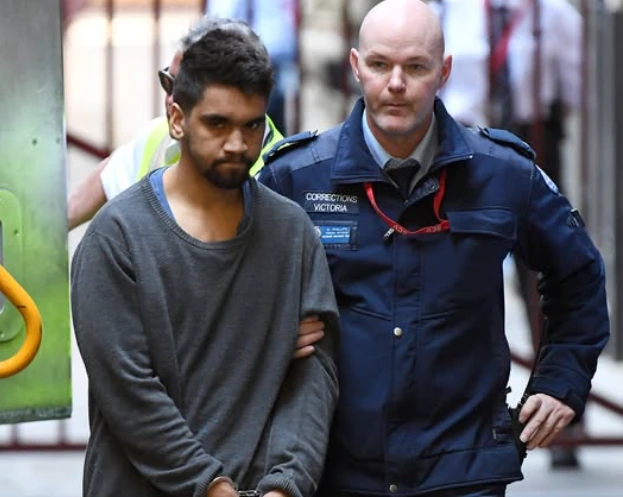
Zakaria’s court appearance in March 2025 drew a lot of attention. He stood in front of the Supreme Court of NSW, hoping to walk out on bail. His lawyers pushed hard, saying prison life had been rough on him. The judge didn’t buy it. Bail wasn’t happening. The charges were heavy, Zakaria kept finding trouble in the past, and the court figured if they let him go, he’d just vanish. It really shows how seriously the state takes these cases and how determined they are to crack down on organized crime.
Impact on Australian Public and Media Coverage
The Zakaria case really grabbed Australia’s attention and pushed the whole conversation about organized crime into the spotlight. Outlets like ABC News and AAP News have followed every twist, digging into both the courtroom battles and what all this means for police. People across the country now see just how complicated it gets when authorities chase international suspects—this case shows how local gangs tie themselves to overseas hideouts, code names, and all sorts of loopholes that make things tough for the justice system.
Why the Masood Zakaria case is important
The case of Masood Zakaria highlights the following issues in the fight against organized crime in Australia:
- The allocation of police resources to track and break organized crime groups
- International cooperation regarding fugitives and deportation procedures
- The integrity of the judicial process in handling suspects who are illegally deported
- The safety of the public with the increasing levels of gang violence in major cities
Most Australians probably had not heard of Masood Zakaria before, but his story really shines a light on how crime groups work these days—and what the law has to do just to keep up.
Conclusion
Right now, Zakaria sits in detention, facing some pretty serious charges. His case has turned into a kind of symbol for all the tough questions around organized crime in a global world.There’s still a lot of uncertainty about whether he’ll actually get deported, and no one really knows how this will unfold.
All sorts of people in Australia—lawyers, cops, and everyday folks—are tuned in, waiting to see what comes next. No matter how it shakes out, this case is going to keep people talking about justice and the way the law works here.