
Now Reading: Codey Herrmann case: Melbourne tragedy and aftermath
-
01
Codey Herrmann case: Melbourne tragedy and aftermath

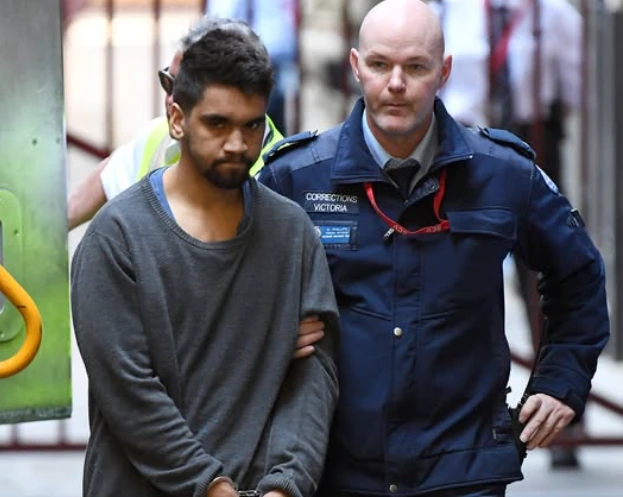
In January 2019, the name Codey Herrmann was first heard across Australia and beyond; not for any outstanding artistic or community contributions, but as a result of a heinous offense that captured the collective public imagination and subjected it to scathing debates. “The story of Codey Herrmann encapsulates the deeper conflict and tension that arises in modern society across several fault lines, from individual and societal pathology to loss and a search for meaningful explanation in the face of random acts of violence.”
Early life and background
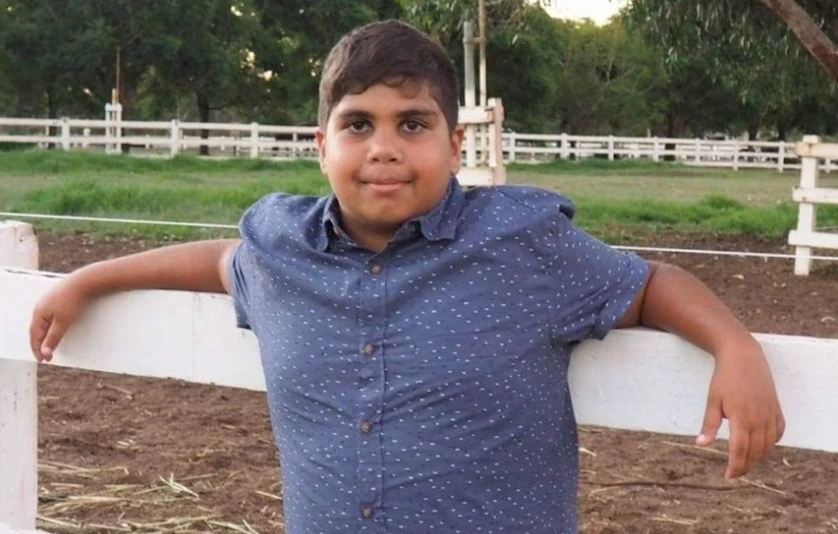
There is very limited information available about Codey Herrmann’s early beginnings, although it has already been mentioned that law enforcement activities and news articles portray a young man who has encountered many challenges even before becoming recognizable due to committing a criminal act. It has been mentioned that Codey Herrmann was described as a young adult with a disturbing past, including mental, drug and homeless problems before he was apprehended. Articles show that Herrmann had been in foster homes, facing problems that kept him from keeping his life stable.
Social media profiles that Herrmann maintained before his arrest had content related to depression, anger, and his aspirations as an aspiring rapper, using the handle “MC Codez” and posting his rap lyrics that mentioned demons and struggles in his mind. Although these posts can be expected from any aspiring young rapper, they take a tragic turn when the reader connects them to the violent acts that he would eventually admit to.
An ordinary day turns tragic
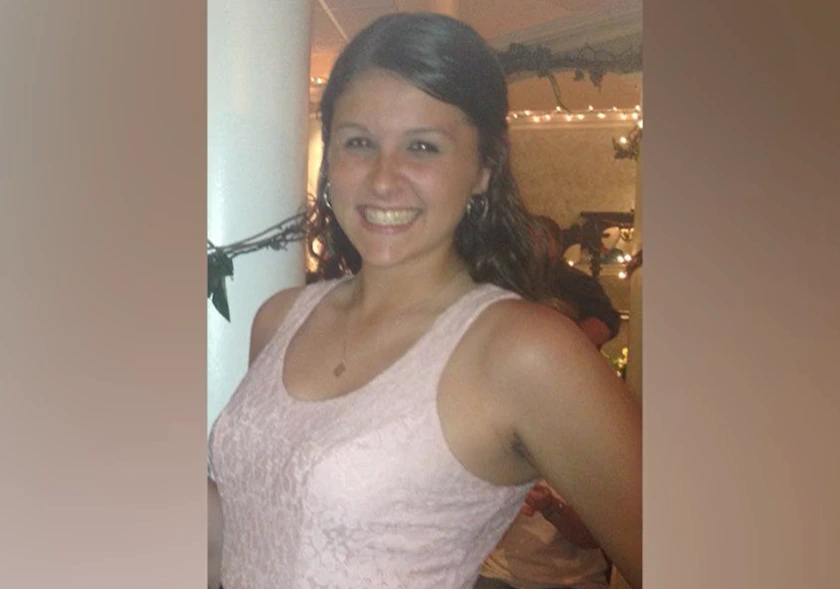
On January 16, 2019, at night, an incident occurred involving Aiia Maasarwe, who was then only 21 years old and an international student from Israel but studying in Melbourne. She had gone to watch a comedy show and was then waiting to catch a tram. As soon as Aiia got off the tram and called her sister, she was attacked by Herrmann.The brief encounter led to Aiia’s death.
Evidence presented during the trial revealed Herrmann had repeatedly banged Maasarwe with a metal pole, causing her extensive injuries, and also raping her. Afterwards, Herrmann tried to cover up evidence by setting her body on fire. The police apprehended him two days later when his clothes with blood were found.
The level of violence perpetrated by the attacker was as devastating as the loss of a young life that held such promise for Melbourne and beyond. Memorials were held, and tributes flowed from the world over for the victim known to her friends and family as an affable, ebullient girl with her whole life before her.
Proceedings and guilty plea
Herrmann was brought to court and pleaded guilty to the charges of rape and murder. His defense mentioned at the hearing that he had a traumatic past and was struggling with mental health issues, while the prosecution and judicial staff brought up the brutality of the committed offense. The fact that this plea of guilt saves the community and the victim’s family from going through a long trial also solidifies a feeling of outrage and sadness.
The victim impact statement given by the judge at the sentencing was quite powerful: “There’s nothing this court can say or do that will bring back Aiia Maasarwe or heal her family’s grief and pain.” Herrmann was sentenced to 36 years in prison, serving a minimum of 30 years before even being eligible for parole, meaning the rest of his life will be spent in jail.
Public reaction and social debate
The Herrmann case sparked considerable debate in Australia on a variety of systemic problems:
Public Safety, Freedom for Women: The brutal murder of Maasarwe, who was a young exchange student walking home to a safe-neighborhood city, brought into sharp relief the debate on public safety, discussing how public safety can be achieved to offer women, like all other citizens, the kind of freedom to move from one place to another.
Mental Health and Social Support: From the case of Herrmann, it is evident that shortcomings in mental health, care, support mechanisms for youths who often fall between the cracks, as well as community engagement, also exist. There were assumptions that earlier intervention could have avoided tragedy.
Homelessness and substance problems: Herrmann was homeless and allegedly abused drugs at the time of the offense, which called into question the effectiveness of aid systems in providing assistance to troubled individuals before they hit rock bottom.
Such debates and discourses were not for academic purposes. Vigils, debating platforms, and political rhetoric from politicians who demanded accountability, along with actions for the prevention of similar tragedies from occurring in the future, had one end result.
Cocnlusion
Since her sentencing, she has been remembered through public commemorations, scholarship funds and advocacy work toward campus safety and community policing. At the request of her family, her passing was not to stand for hate; rather, it would bond people from diverse cultures and communities stronger.
Meanwhile, Herrmann’s imprisonment is a jolting reminder of what happens when violence is left to spread, of how human despair can lead to tragic consequences of societal failures. The life of Herrmann, whose name is forever fixed in official records by that horrific act, invites uncomfortable questions regarding the way in which societies care for their most vulnerable and the way in which violence, when it breaks out, changes countless lives forever.